
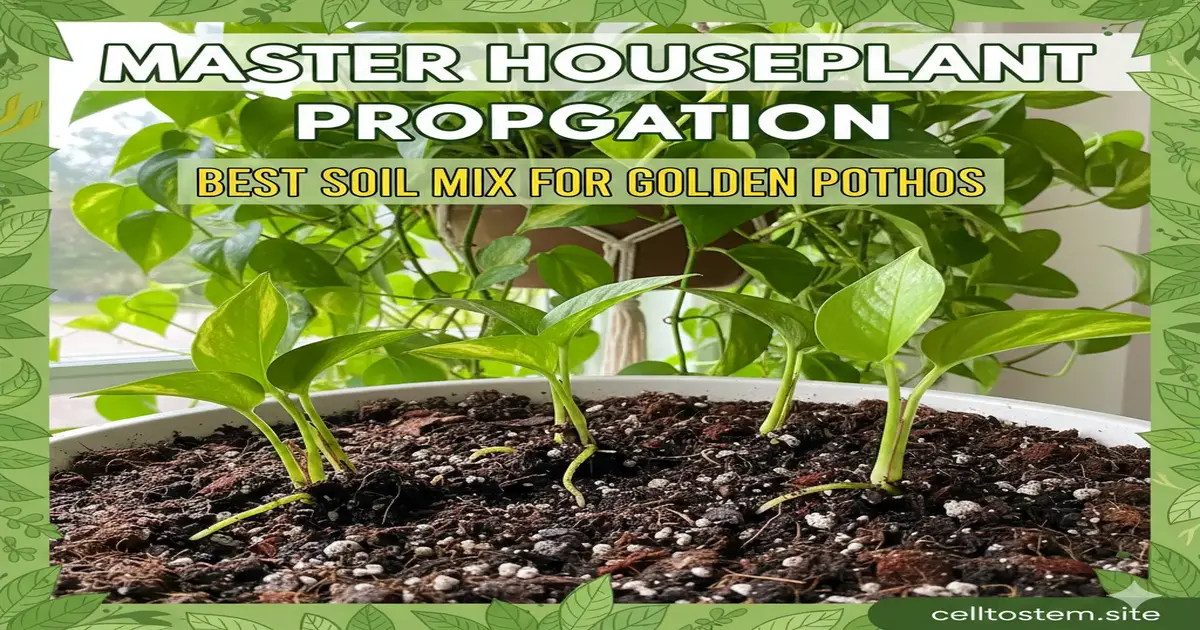
Expanding your indoor jungle doesn’t require a massive budget or a degree in botany. By mastering propagation, you can turn a single healthy specimen into a dozen new plants. Success begins with understanding the specific needs of your cuttings, particularly the best soil mix for golden pothos plant health, which serves as a blueprint for many other tropical species. Whether you are rooting in water or transitioning to a golden pothos potting mix, the goal is to provide a balance of moisture and oxygen to encourage rapid root development.
Understanding the Science of Plant Propagation
Propagation is the process of creating new plants from a variety of sources: seeds, cuttings, or other plant parts. For indoor gardeners, asexual propagation (using cuttings) is the most effective method because the new plant is a genetic clone of the parent.
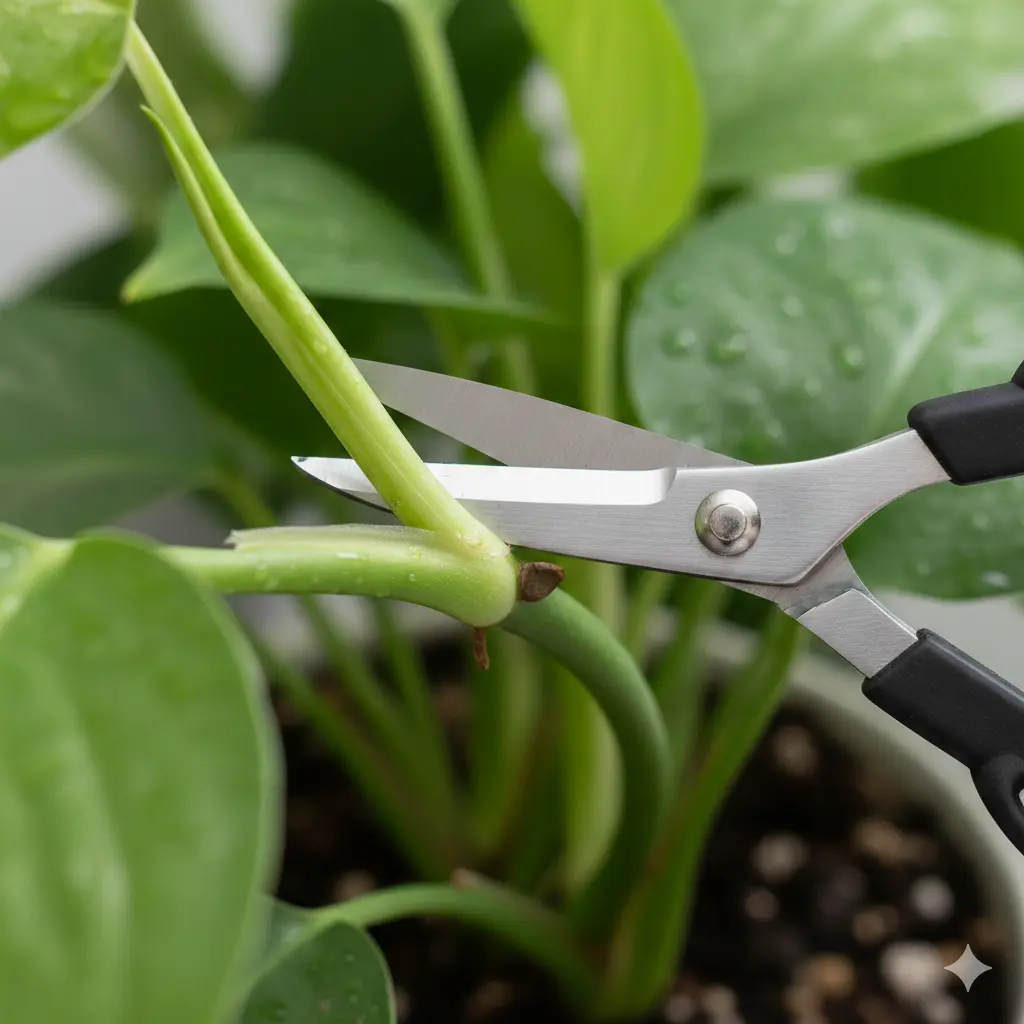
The most critical anatomical feature to identify is the node. This is the small bump on the stem where leaves and aerial roots emerge. Without a node, a leaf cutting may stay alive in water for months, but it will never produce new stems or roots. According to the Royal Horticultural Society (RHS), the meristematic tissue located at the node is responsible for new growth.
Apartment Example: If you are growing a Monstera in a small studio, look for the thick “knuckle” on the stem before you cut. Removing a leggy vine actually encourages the mother plant to become bushier, making it a win-win for limited spaces.
Water Propagation Methods for Beginners
Water propagation is the “gateway” method for most hobbyists. It allows you to watch the roots grow in real-time, which is both satisfying and educational.
- Identify the Cutting: Select a healthy vine with at least 3–4 leaves.
- The Optimal Cutting Angle: Use sterilized shears to cut at a 45-degree angle about half an inch below the node. This increased surface area allows for better water uptake.
- Water Quality Considerations: While tap water works for many, sensitive plants benefit from filtered water or tap water left out for 24 hours to allow chlorine to dissipate.
- Placement: Place the cutting in a clear glass vessel in bright, indirect light. Avoid direct sun, which can cook the delicate new tissues.
Apartment Example: Using recycled glass jars on a kitchen windowsill is a sustainable way to start your propagation station without buying new equipment.
Transitioning to the Best Soil Mix for Golden Pothos Plant Growth
Once your water-rooted cuttings have roots at least two inches long, they need to move to a solid substrate. The best soil mix for golden pothos plant success focuses on soil drainage for pothos plants. If the medium is too dense, the “water roots” will suffocate and rot.
Golden Pothos Potting Mix Essentials
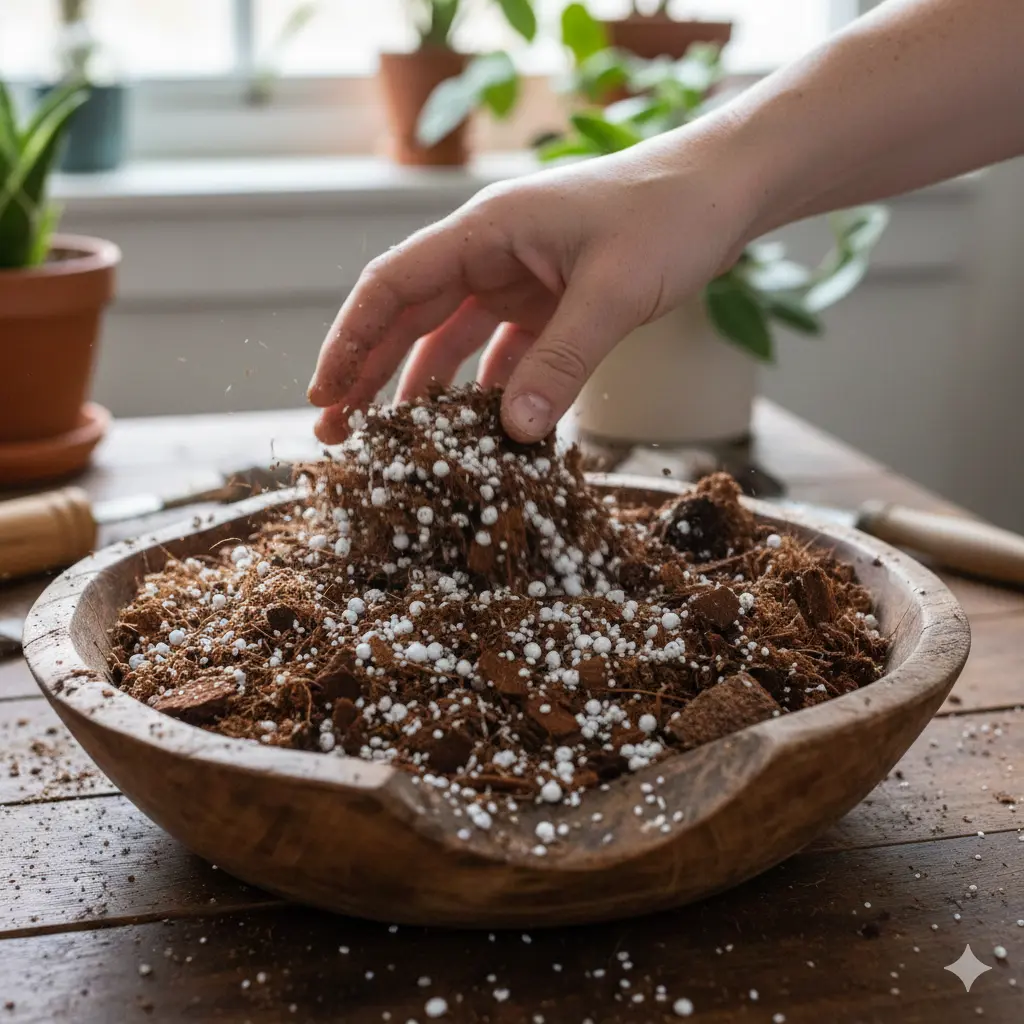
A professional-grade pothos plant potting soil blend usually follows a specific ratio to ensure aeration for golden pothos soil:
- 50% High-quality Peat Moss or Coco Coir: For moisture retention.
- 30% Perlite or Pumice: To create air pockets (essential for golden pothos substrate mix).
- 20% Pine Bark or Orchid Bark: To mimic the chunky, aerated forest floor of their natural habitat.
This golden pothos growing medium ensures that even in low-light offices or humid bathrooms, the roots remain oxygenated.
Soil Propagation Techniques for Fast Growth
Some plants, like succulents or Sansevieria (Snake Plants), prefer starting directly in soil. For the best soil for golden pothos for beginners, you can also skip the water phase and go straight to the dirt.
- The “Dip and Poke” Method: Dip the node in a rooting hormone (optional) and poke it directly into a moist organic soil for golden pothos.
- Humidity Requirements: Since the cutting has no roots yet, it cannot drink water. You must keep the ambient humidity high. Covering the pot with a clear plastic bag creates a “mini-greenhouse.”
- Temperature: Maintain a consistent temperature between 70°F and 75°F. Cold drafts in winter can stall root development.
Apartment Example: In dry climates, placing your soil-based propagations on a tray of wet pebbles can help maintain the necessary humidity without a bulky humidifier.
Essential Tools and Supplies for Success
You don’t need a professional greenhouse, but a few key items will increase your success rate:
- Sterilized Pruning Shears: Prevents the spread of fungal pathogens.
- Transparent Vessels: For monitoring root health.
- Small Pots with Drainage: Crucial for the best soil mix for golden pothos in small spaces.
- Mister: To keep the top layer of soil damp for new transplants.
Identifying the Best Plants to Propagate
While many plants can be propagated, some are more forgiving for the home gardener.
- Golden Pothos (Epipremnum aureum): Highly resilient. The epipremnum aureum soil requirements are minimal, making it the perfect “test” plant.
- Spider Plants: These produce “pups” that already have starter roots.
- Tradescantia: Known for incredibly fast growth; can often root in less than a week.
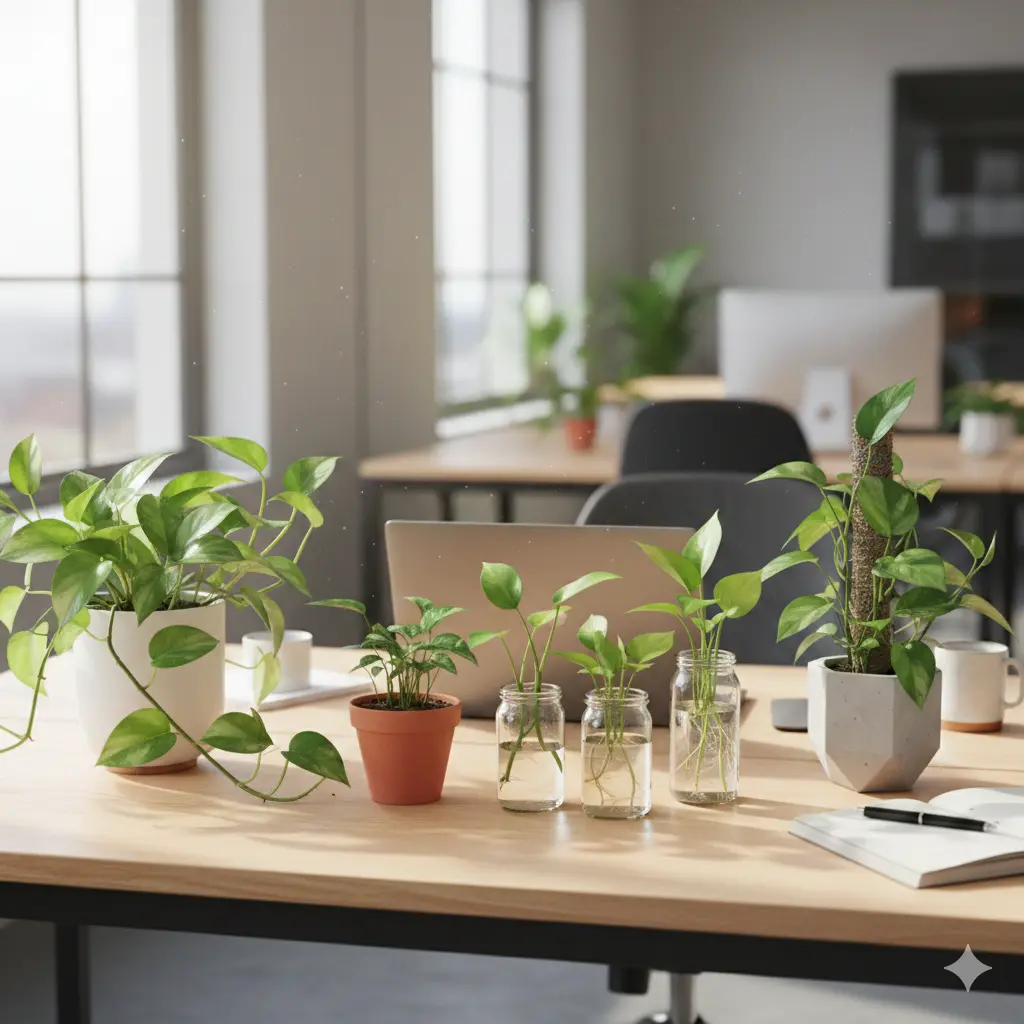
Apartment Example: In an office setting with fluorescent lighting, the best soil mix for golden pothos in offices should be slightly heavier on perlite to prevent overwatering from well-meaning coworkers.
Common Mistakes and Troubleshooting
Even with the best soil for golden pothos with fertilizer, things can go wrong. Here is how to fix them:
- Yellowing Leaves: Often a sign of overwatering or poor soil drainage for pothos plants. Check if the soil feels like a wrung-out sponge; if it’s soupier than that, it’s too wet.
- No Root Growth: Ensure the node is submerged or buried. Check your light levels—low light often leads to “dormant” cuttings.
- Algae Growth: In water propagation, change the water every 5–7 days to keep it oxygenated and clear.
- Variegation Loss: If you are using the best soil mix for golden pothos with variegation, but the new leaves are solid green, move the plant to a spot with more indirect light. Light levels, not just golden pothos soil nutrients, dictate leaf color.
Aftercare for Your New Propagations
The first two weeks after moving a plant from water to the best soil for golden pothos for fast growth are the most critical.
- Keep it Moist: For the first 10 days, keep the soil slightly wetter than you would for a mature plant. This helps the “water roots” adapt to the texture of the pothos plant soil composition.
- Avoid Heavy Fertilizer: Do not use the best soil for golden pothos with fertilizer immediately. New roots are sensitive and can be burned by high salt content. Wait until you see new leaf growth.
- Winter Care: If propagating in the best soil mix for golden pothos in winter, use a heat mat. Cold soil is the leading cause of root rot during the dormant season.
Summary of Key Takeaways
- Nodes are Vital: Always include at least one node in your cutting.
- Air is Key: Use a golden pothos substrate mix that includes perlite for maximum aeration.
- Light Matters: Bright, indirect light is the engine that drives root growth.
- Cleanliness: Always use sterilized tools to prevent infection.
- Patience: Some plants root in days, while others take months.
Mastering the best soil mix for golden pothos plant propagation is the first step toward a thriving home garden. By focusing on drainage, light, and proper cutting techniques, you can sustainably grow your collection and share the joy of plants with others.
“Moving your roots into a solid medium requires a delicate balance of moisture and aeration. To give your new clones the absolute best start, make sure you mix a custom substrate as outlined in our breakdown of the best soil mix for golden pothos.”
Thank You For Visiting Our Website https://celltostem.site/. We Value Your Feeback!