
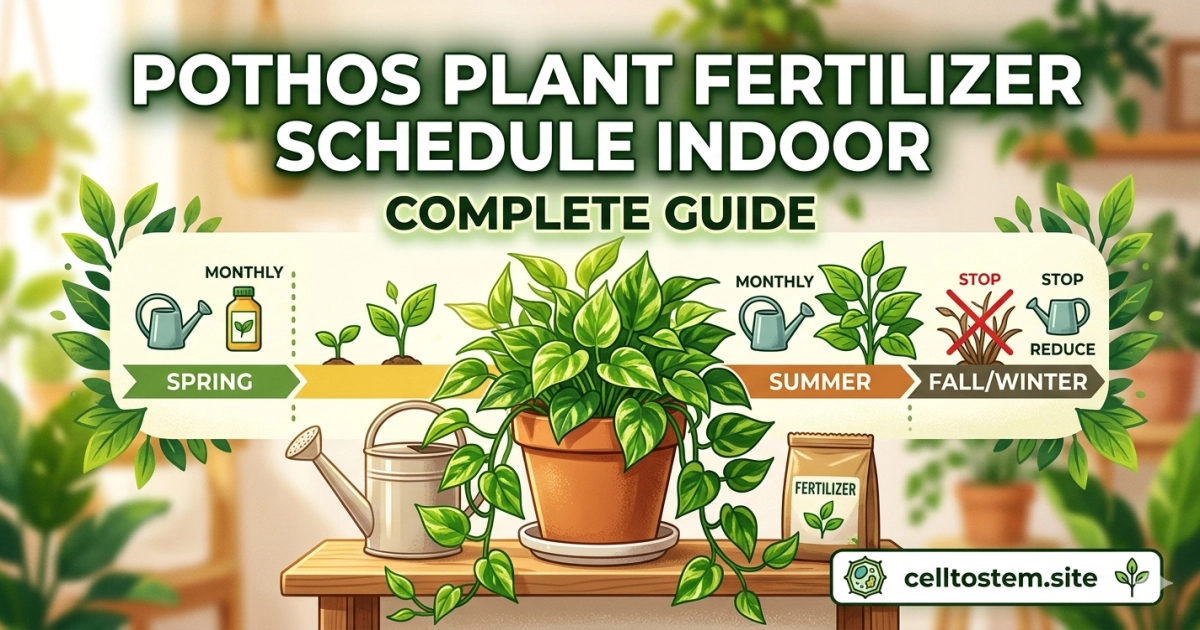
Quick Answer: To keep your pothos thriving, fertilize every 4 to 6 weeks during the spring and summer using a balanced liquid fertilizer diluted to half-strength. In the fall and winter, stop or significantly reduce feeding as the plant enters a dormant phase. Always water your plant before applying fertilizer to prevent root burn.
Pothos Plant Fertilizer Schedule Indoor: The Complete Guide
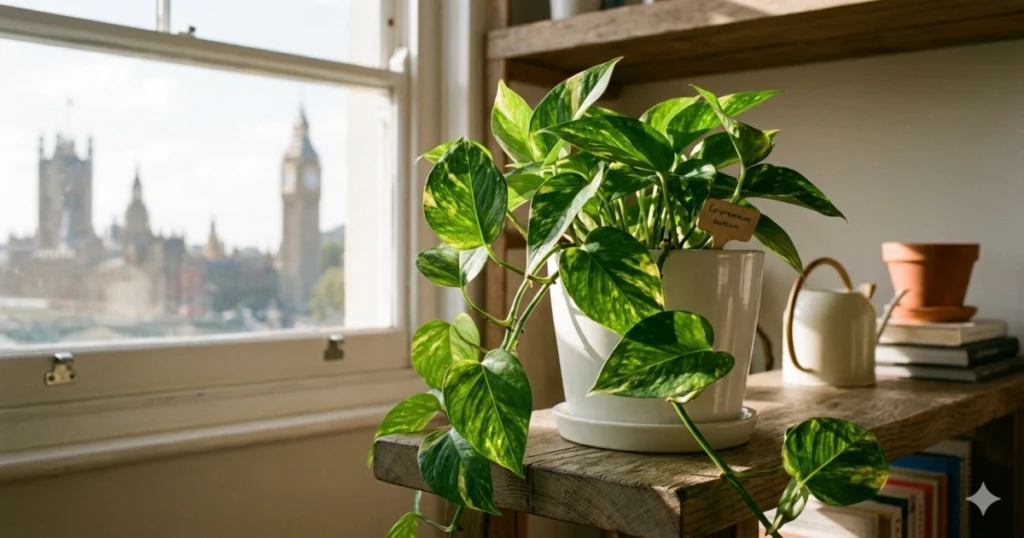
The Pothos (Epipremnum aureum) is often called the “gateway plant” for a reason. It is hardy, beautiful, and grows like a weed. However, if you want those lush, trailing vines to really pop, you need more than just a splash of water now and then. Getting your pothos plant fertilizer schedule indoor right is the difference between a plant that just survives and one that transforms your room into a jungle.
Why Pothos Need a Feeding Routine
In the wild, Pothos climbs trees and soaks up nutrients from decaying leaves and rain. Inside your home, it’s stuck in a pot. Over time, the plant eats up all the “food” in the potting soil. Without a regular indoor vine plant feeding schedule, your pothos will eventually grow smaller leaves, lose its color, or simply stop growing altogether.
Understanding pothos plant nutrient requirements is simpler than you think. They mostly need Nitrogen for those green leaves, Phosphorus for strong roots, and Potassium for overall health.
The Master Fertilizer Schedule: Season by Season
The best time of year to fertilize pothos is during the “active growing season.” Like humans, plants have times when they are high-energy and times when they need to rest.
Spring and Summer (The Growth Spurt)
From March to September, your plant is working overtime. This is when you should implement a steady indoor plant feeding frequency.
- Frequency: Every 4 to 6 weeks.
- Method: Use a best liquid fertilizer for pothos plants. Liquid options are great because they reach the roots instantly.
Fall and Winter (The Rest Phase)
Many beginners ask about the best fertilizer for pothos in winter. The truth? The best fertilizer is often none at all. When the light fades and temperatures drop, the plant’s metabolism slows down. Pushing it to grow with chemicals can cause “salt buildup” in the soil, which hurts the roots. Stick to a pothos watering and fertilizing routine that pauses feeding from November to February.
Choosing the Right Food for Your Vine
Not all fertilizers are created equal. Depending on where your plant lives in your house, you might need a different approach.
1. The All-Rounder
For most people, a best all-purpose fertilizer for pothos (usually a 10-10-10 or 20-20-20 NPK ratio) works perfectly. It provides a balanced diet for any devil’s ivy plant care schedule.
2. For the Naturalist
If you prefer a chemical-free home, look for the best organic fertilizer for indoor pothos. Options like seaweed extract, fish emulsion, or compost tea are gentle and improve the soil quality over time.
3. Low Light vs. Variegated Plants
If your plant is in a dark corner, use the best fertilizer for pothos in low light by cutting the recommended dose in half. Plants in low light grow slower and use fewer nutrients. Conversely, the best fertilizer for variegated pothos plants (like Marble Queen or Neon) should be rich in micronutrients to keep those white and yellow splashes bright.
Pro Techniques: How to Fertilize Properly
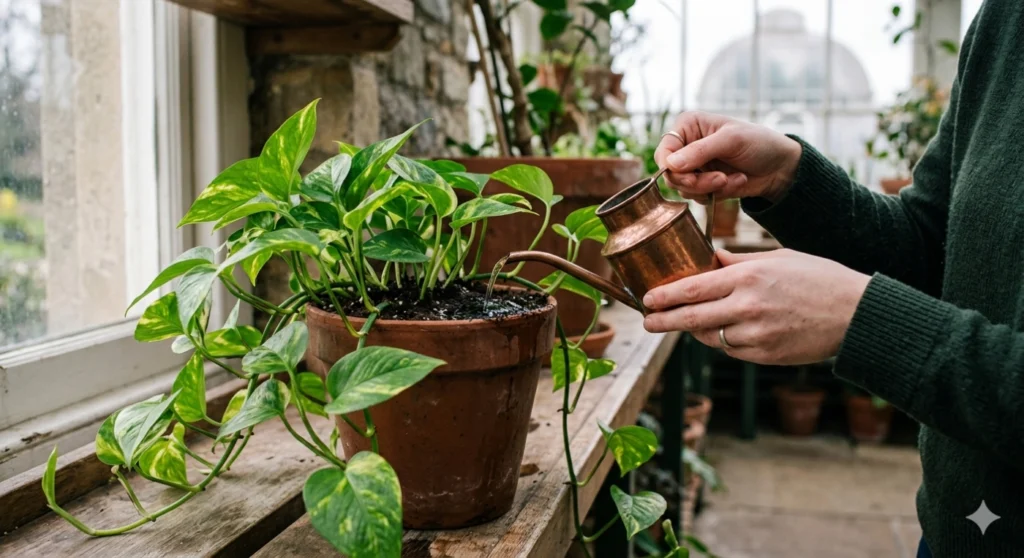
The “how” is just as important as the “when.” Using the right pothos soil fertilization techniques prevents the dreaded “fertilizer burn.”
- Dilute, Dilute, Dilute: Even if the bottle says one tablespoon, use half. Pothos are light feeders.
- Wet the Soil First: Never put fertilizer on bone-dry soil. Water your plant normally, wait an hour, then apply the fertilizer.
- Foliar Feeding for Pothos Plants: Did you know pothos can “eat” through their leaves? You can use a spray bottle to mist the leaves with a very weak nutrient solution. This is great for a quick boost.
- Hanging Baskets: For the best fertilizer for pothos in hanging baskets, consider slow-release pellets. They sit on top of the soil and release food every time you water, which is easier than taking down a heavy basket every month.
Feeding During Propagation
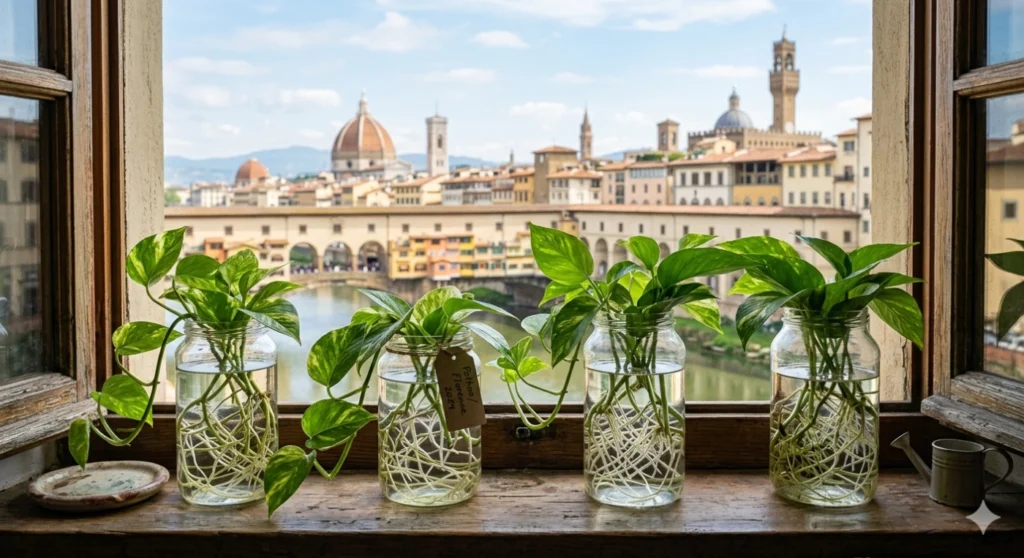
If you are growing new babies in water, you might wonder about the best fertilizer for pothos propagation. You can add a single drop of liquid fertilizer to the water every few weeks. This gives the new roots the pothos plant nutrient requirements they need to transition to soil successfully.
Signs You Are Doing It Wrong
Your plant will tell you if it’s unhappy with its pothos plant maintenance calendar.
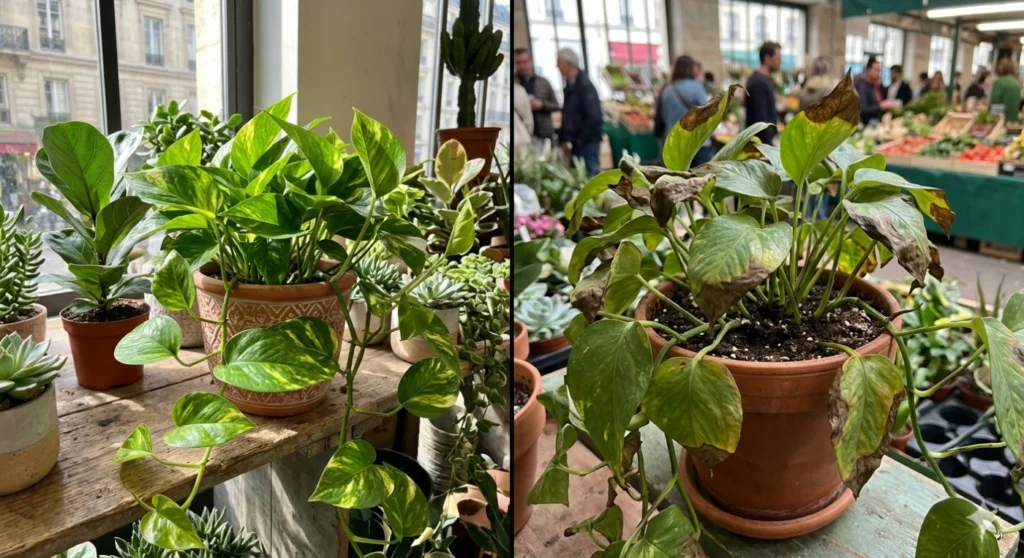
- Over-fertilizing: If you see a white crust on the soil or the tips of the leaves turn brown and “burnt,” you are feeding too much.
- Under-fertilizing: If the new leaves are tiny or the plant looks pale and yellow despite having enough light, it’s hungry.
| Season | Frequency | Fertilizer Type |
| Spring | Every 4 weeks | Balanced Liquid (Half-strength) |
| Summer | Every 4-6 weeks | Organic or All-purpose |
| Fall | Every 8 weeks | Reduced dosage |
| Winter | None | Skip feeding entirely |
Summary Checklist for Beginners
If you are looking for the best fertilizer schedule for pothos beginners, keep it simple:
- Buy a balanced liquid fertilizer.
- Mark your calendar for the first day of every month in the summer.
- Mix it at half-strength.
- Water first, feed second.
Following this houseplant fertilization timing ensures your vines stay strong and your “Devil’s Ivy” remains the star of your indoor garden.
“Nutrients alone cannot fix a plant trapped in a heavy, waterlogged substrate. Pair your feeding routines with a well-aerated medium by checking out our recipe for thebest soil mix for golden pothosto keep the root system functioning properly.”
Thank You For Visiting Our Website https://celltostem.site/. We Value Your Feedback!