
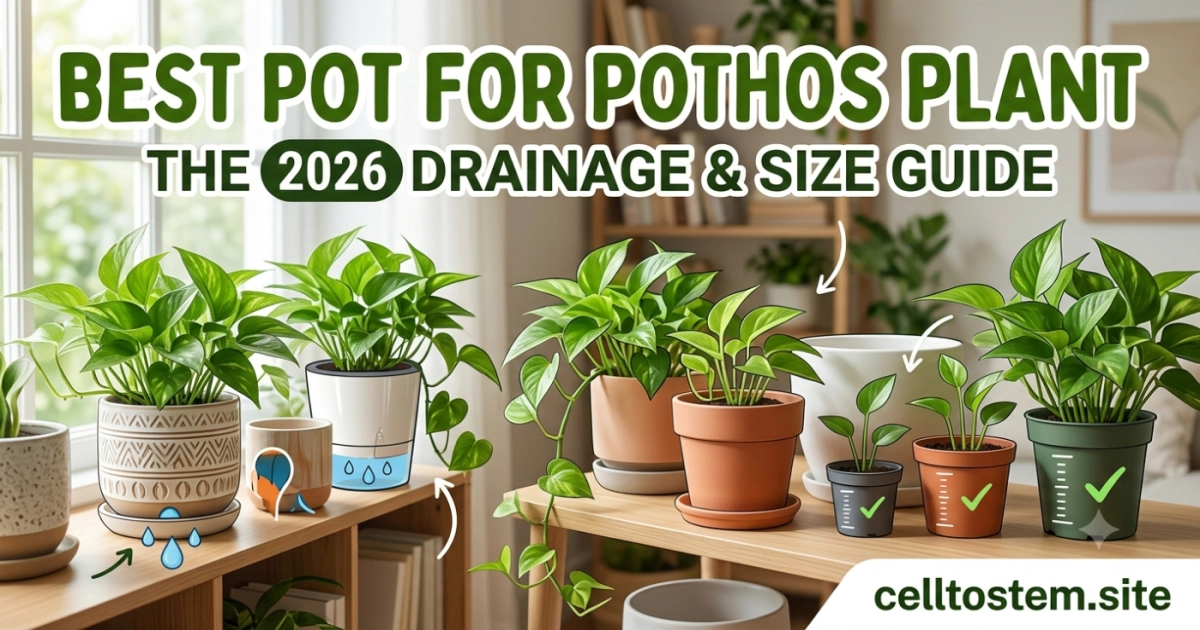
Quick Answer: The Best Pot for Pothos Plant
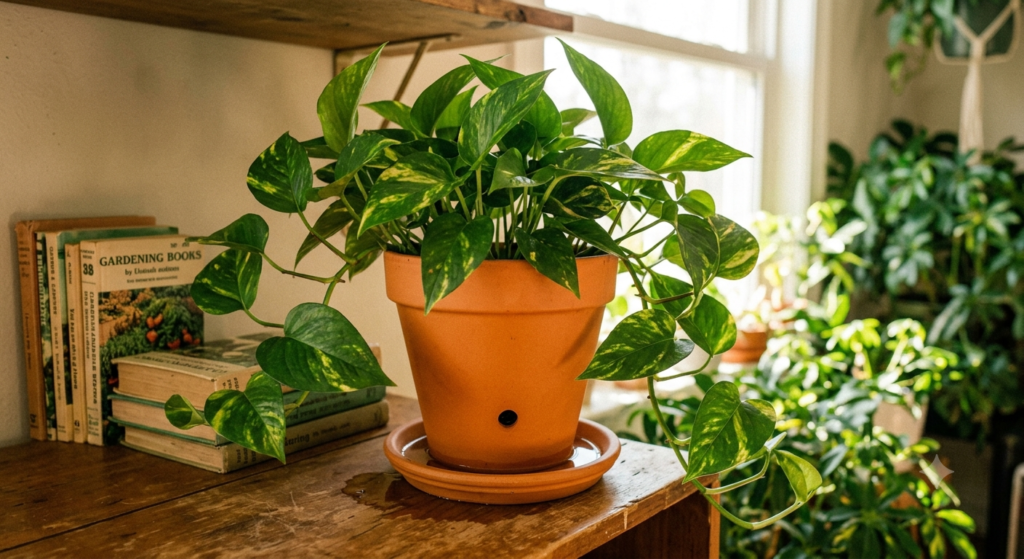
The absolute best pot for your pothos (also known as Devils Ivy) is one that has a drainage hole. This is, without a doubt, the most important feature. Pothos plants are tough, but they cannot tolerate sitting in water. Their roots are sensitive and will quickly rot if they are constantly wet. After you find a pot with a drainage hole, you can think about other things. The best material for beginners or forgetful waterers is a breathable option like terracotta, which allows excess moisture to evaporate. The pot should also be the right size—only about 1-2 inches wider than the root ball of your plant. Choosing a pot without a drainage hole is a risk you don’t need to take!
Best Pot for Pothos Plant: The Ultimate Guide to a Happy, Vining Plant
Pothos plants, often called Devil’s Ivy, are some of the easiest houseplants to care for. They are tough, beautiful, and grow like crazy, even for beginners. But to keep your pothos thriving and truly beautiful, you need one key ingredient for success: the perfect pot. It’s not just about what looks good on your shelf; the right container can be the difference between a sad, struggling plant and a vibrant, growing one.
Let’s be honest: pothos plants are dramatic when they are unhappy, often letting their leaves droop when they are thirsty. But they are much quieter when they are overwatered. You might not even notice a problem until you see yellowing leaves or, even worse, mushy, rotten roots. A lot of that stress can be avoided with the right pot selection.
In this guide, we will break down everything you need to know to choose the perfect pothos plant container. We’ll cover pot materials, the proper pothos pot size, the absolute necessity of drainage, and more. This is your road map to a truly happy pothos.
The Number One Rule of Pothos Pots
I cannot stress this enough: your pothos MUST have a pot with a drainage hole.
Think of it this way: your pothos isn’t a swamp plant. Its natural home is in trees, where rain is abundant, but the soil dries out quickly. In a pot with no hole, the water collects at the bottom. This “perched water table” creates an environment that suffocates the roots. Without oxygen, your plant’s roots rot.
Root rot is public enemy #1 for a pothos. It is incredibly hard for a plant to recover from it. That’s why a pothos pot with drainage is non-negotiable.
The Perfect Pothos Pot Material: What You Need to Know
Once you’ve committed to a drainage hole, your next big decision is the pot material. This has a huge impact on how often you need to water.
Terracotta (The Classic Choice)
Terracotta is a fantastic, breathable option for your pothos. This porous clay allows water to slowly evaporate not just from the top, but also through the sides of the pot.
- Pros: Prevents overwatering, is heavy and stable (so it won’t easily tip over), and has a classic, earthy look.
- Cons: Dries out much faster than other materials, which means you’ll have to water your plant more often. This can be a hassle if you are a very busy person.
Plastic (The Easy and Light Option)
Plastic pots are lightweight, inexpensive, and come in any color you can imagine.
- Pros: Holds moisture for a long time (great for busy plant owners), is inexpensive, and is easy to move around.
- Cons: Not breathable, which makes it easier to accidentally overwater. Because they are so light, a large, heavy vining pothos can cause the pot to tip over.
Ceramic (The Decorative Favorite)
Ceramic pots are beautiful, with a thick gaze that comes in endless colors and designs.
- Pros: They are gorgeous and heavy, so they can stabilize large plants. They also hold water well, which is great for certain conditions.
- Cons: They are generally more expensive and can be heavy to move. The biggest issue is that many beautiful ceramic pots do not come with a drainage hole (but you can always look for “cache pots” with this in mind).
Fiberstone and Composite (The Modern Alternative)
This is a modern option made from a blend of stone, fiberglass, and resin. They are strong like stone but much lighter.
- Pros: They have a sleek, modern look, are very durable, and are much lighter than concrete or terracotta.
- Cons: They can be expensive and do not allow the soil to breathe as terracotta does.
Choosing the Best Pot for Pothos in Soil
When you are growing your pothos in a soil-based potting mix, the material you choose should match your watering habits.
- If you tend to be an “overwaterer”: Choose terracotta. It is your best friend. Its breathable nature will help the soil dry out faster, protecting your plant from your own enthusiasm.
- If you tend to be a “forgetful waterer”: Choose a plastic pot or a glazed ceramic pot. These will hold onto moisture for a longer period, giving your pothos a crucial buffer for when you miss a watering day.
For general soil use, any of these will work if you have a pot with a drainage hole and adjust your watering to match the material.
Pot Size: Why Size Matters for Your Pothos
Getting the correct pothos pot size is just as important as the material. For pothos, bigger is not better. A pot that is too large can lead to some serious problems.
The Problem With a Pot That is Too Big
Think about it: the more soil you have in the pot, the more water that pot can hold. When a pot is too large, the tiny root ball of your pothos can’t possibly absorb all that water. The soil stays wet for way too long. This is like a perfect storm for root rot. Your plant will sit in a swamp, and its roots will slowly rot.
The signs of root rot in an oversized pot are yellowing leaves, a soft stem near the soil line, and soil that always seems wet, even weeks after you watered it.
The Problem With a Pot That is Too Small
Conversely, a pot that is too small can stifle your plant’s growth. Pothos have vigorous roots. If they don’t have space to grow, they will wrap around the root ball in a tight, tangled mess, a condition called being “root-bound.”
A root-bound plant will stop growing new leaves. Water will run right through the root mass without ever truly soaking into the soil, leaving your plant always thirsty and stressed.
How to Find the Perfect Pot Size
The gold standard rule for houseplants is to find a pot that is 1-2 inches wider in diameter than the plant’s current root ball. That’s it! It should be just wide enough that there is about an inch of space between the roots and the side of the pot.
For a new pothos, start small. Many times, they will be happy in a 4-inch or 6-inch pot for a year or even two. Don’t rush them into a massive pot just because you want them to grow faster. A slight increase in pot size is the most healthy and efficient way to let them expand.
We’ve covered material and size, but let’s not forget how important pothos pot depth is. The pot should also be about as deep as it is wide. Standard nursery pots are usually a great reference for this proportion.
Special Containers for Pothos: Hanging, Water, and More
Not all pothos are grown on a shelf in a standard pot. Part of the fun of a pothos is its versatility. Let’s look at some unique potting situations.
Best Pot for Pothos Hanging
One of the most classic looks for a pothos is cascading down from a hanging basket. This is where they truly shine.
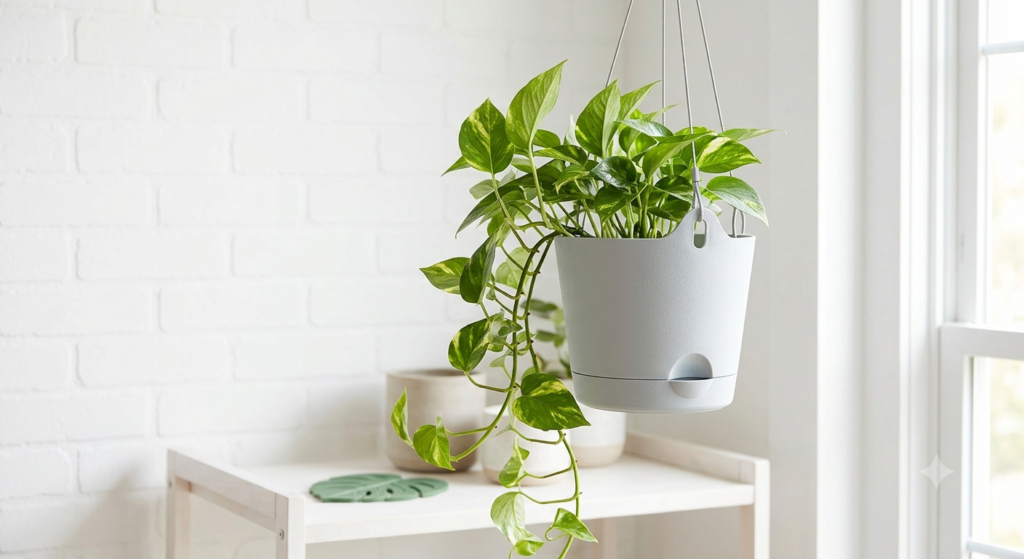
When choosing a best pot for pothos hanging, your #1 priority is weight. A heavy ceramic pot, once filled with damp soil and a full plant, is going to be incredibly heavy and a safety hazard.
The best choices for hanging are:
- Plastic Hanging Baskets: They are extremely light and designed for this specific purpose. They often have an attached saucer to catch drips.
- Woven Baskets with a Plastic Liner: These have a fantastic, natural look. You just need to ensure the woven part can support the weight.
- Macrame Hangers: These let you use any type of pot you like, from a simple terracotta to a stylish ceramic one. However, the macrame itself adds weight, and you must use a pot with a drainage hole and a very secure saucer to prevent drips.
The ideal container for a hanging pothos is one that helps it stay as light as possible while still providing that essential drainage.
Best Pot for Pothos in Water
Pothos are amazing because they can be grown in water for their entire lives. This is a great low-maintenance way to have a plant. But there’s a difference between “just water” and “a water container.”
When looking for the best pot for pothos in water, you have flexibility:
- Glass Containers (Vases, Jars, Beakers): This is the most common choice. Seeing the roots grow is fascinating. Clear glass lets you easily check water levels and the roots for health. A vase with a narrower neck can help support the stems.
- Propagation Stations: These are specially designed for starting new plants in water. They often use multiple test tubes in a wooden stand, which looks stylish. A dedicated pothos planter for water can be both functional and decorative.
For a permanent water setup, you’ll need to change the water every 1-2 weeks to prevent algae and bacteria growth and add a specialized liquid fertilizer. But as a starter solution for a new cutting, almost any non-porous container will do!
Best Pot for Pothos Propagation
Starting a new pothos from a cutting is one of the easiest ways to expand your collection. The best pot for this task depends on whether you propagate in water or soil.
- For Water Propagation: As we mentioned, any clear container like a simple glass jar or a propagation vase is perfect. You can easily see the new white roots grow.
- For Soil Propagation: You want a tiny container. A small 2-3 inch plastic nursery pot is ideal. The small size keeps the soil from staying too damp for a tiny, new cutting. Clear plastic “orchid pots” can be fantastic for this, as you can see the new roots growing down without disturbing the soil. This dedicated pothos pot size is crucial for successful rooting in soil.
Choosing Your Pot by Its Destination: Bathroom, Bedroom, Low Light, and Office
The environment you place your pothos in should also influence your pot choice. Where will your happy new plant live?
Best Pot for Pothos in Bathroom
Pothos love the high humidity of a bathroom. It can make their leaves grow faster and look more vibrant. But high humidity also means the soil will stay wet much longer.
The best pot for pothos in bathroom is terracotta with a drainage hole. The breathability of the terracotta will counteract the humidity, preventing the soil from becoming a soggy, mold-loving mess. A glazed ceramic pot with drainage can also work, but terracotta is the safer bet for humidity control. Avoid plastic or non-porous pots in the bathroom.
Best Pot for Pothos in Low Light
Pothos is one of the few plants that can truly survive in low light. It won’t grow fast and it might lose some of its variegation, but it will live. The problem with low light is that the plant is “drinking” far less water.
The best pot for pothos in low light is a small to medium-sized terracotta pot. The breathable material is essential because a pot in low light can stay wet for weeks. Terracotta will give you a vital safety net to prevent overwatering.
Best Pot for Pothos in Office
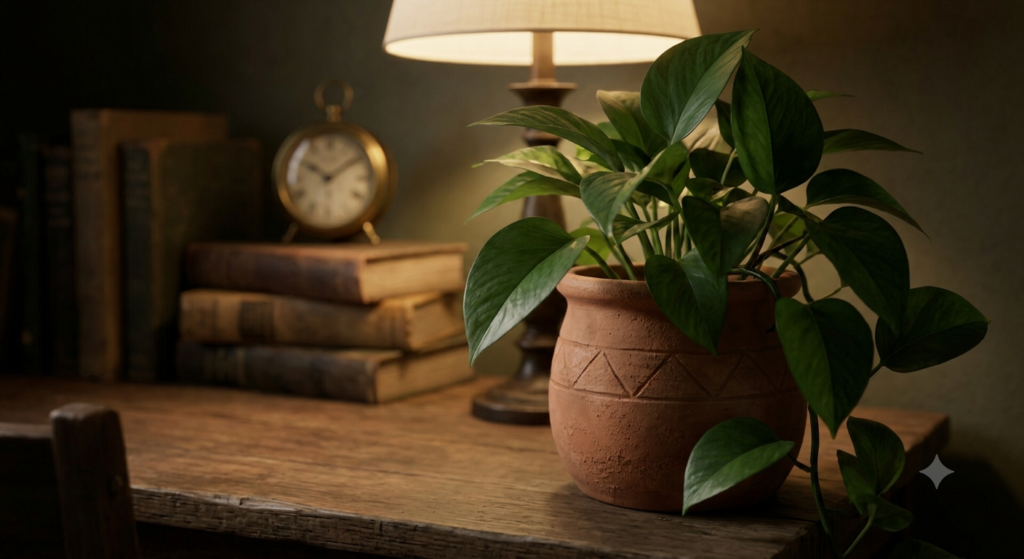
A pothos planter is the ultimate desk companion. They are tough and can handle the dry air of an office or the neglect during a vacation. For an office, you need functionality and stability.
The best pot for pothos in office is a heavy ceramic pot (with a matching saucer) or a stable plastic pot that won’t tip over if you accidentally brush it. Ceramic gives a polished, professional look. Since offices often have dry air, ceramic or plastic can help keep the soil from drying out too fast. Ensure it is a dedicated pothos pot size that doesn’t overwhelm your desk space.
Best Pot for Pothos in Bedroom
A pothos in the bedroom adds a touch of calming green. While they are known for purifying the air (like many plants!), their real benefit is aesthetic.
The best pot for pothos in bedroom is all about style and cleanliness. A beautiful ceramic pot or a chic, modern composite planter can complement your room’s decor. A major consideration is a high-quality, deep saucer. You do not want any water spilling onto a bedside table, carpet, or hardwood floor. Choose a pot with an attached or very deep saucer to ensure a clean look. The perfect pothos pot color and pothos pot shape will be purely based on your bedroom’s aesthetic, so feel free to choose!
Beyond the Pot: Pothos Pot Color, Shape, and Aesthetics
We’ve focused on the health of the plant, but let’s be real: we all want our plants to look good. Once you’ve covered drainage, material, and size, you can focus on the fun parts.
Finding Your Ideal Pothos Pot Style
- Pothos Pot Color: Choose a color that makes your plant stand out. The classic orange of terracotta looks beautiful with deep green pothos. A stark white pot makes variegated pothos leaves pop. Dark blues and grays can look sophisticated and modern.
- Pothos Pot Shape: The standard cylindrical or slightly tapered shape is the most practical. Avoid pots with a “belly” that curves inward at the top; this shape makes it almost impossible to repot the plant without breaking the pot or severely damaging the roots. Square pots can provide a clean, modern grid-like aesthetic.
- Aesthetics and Design: Your pot is an opportunity for self-expression. You can find pots that are rustic, bohemian, mid-century modern, or art deco. A beautiful, hand-thrown ceramic pot is a work of art that also serves as a pothos plant container.
The Cachepot Strategy: Getting the Best of Both Worlds
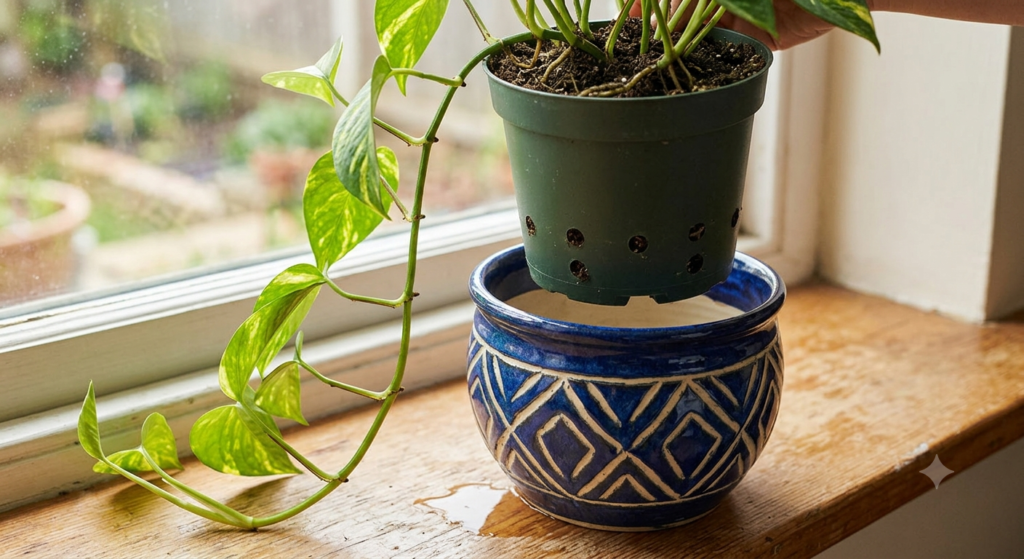
A “cachepot” (which is French for “hide-a-pot”) is the perfect compromise between plant health and design.
A cachepot is a beautiful decorative pot that does not have a drainage hole. You don’t plant your pothos directly in it. Instead, you keep your pothos in its ugly-but-practical plastic nursery pot (with holes). You then slip the nursery pot inside the beautiful cachepot.
This gives you all the benefits:
- Your plant has the drainage it needs.
- The setup is easy to manage (just lift the inner pot to water).
- You get to use whatever beautiful, non-draining pot you want.
When watering a plant in a cachepot, it’s crucial to remove the inner pot, water it in a sink, let it drain completely, and then place it back in the cachepot. This simple step prevents water from collecting at the bottom.
Frequently Asked Questions About Pothos Pots
Can I drill a hole in a pot with no drainage?
Yes, you can! You just need a specialized ceramic or glass drill bit and a lot of patience. This is a fantastic way to turn a beautiful bowl or mug into a functional pothos pot with drainage. Just go slow and use a little water to keep the bit cool.
How do I clean a terracotta pot?
Over time, terracotta can get white, crusty, mineral buildup (called efflorescence). To clean it, empty the pot and soak it for an hour in a mixture of one part white vinegar to ten parts water. The crust will then scrub right off. It’s a great way to refresh your favorite pothos pot material.
How often should I repot my pothos?
You should repot your pothos only when it is truly necessary. A good schedule is about every 12 to 18 months, usually in the spring. If you see roots growing out of the drainage hole, your plant stops growing, or it’s always thirsty, it’s time to find a pot that is a larger pothos pot size.
My pot has an attached saucer. Can I water it right where it is?
You can, but it’s risky. After you water, it’s crucial to check that attached saucer and empty any excess water that collects there. If the pot just sits in a full saucer, it is essentially sitting in a puddle, which can still lead to root rot. Use a Turkey baster or a towel to remove excess water.
Putting It All Together: Your Path to Pothos Perfection
Choosing the best pot for your pothos plant isn’t complicated, but it is one of the most important things you can do for your plant’s long-term health. By focusing on these essential criteria, you’ll be setting your pothos up for a happy, vibrant, and vining life.
- Prioritize Drainage: Your pot must have a hole.
- Size it Correct: Find a pot that is only 1-2 inches wider than the root ball.
- Choose the Right Material: Match the pot’s breathability (terracotta) or non-breathability (plastic/ceramic) to your watering style and the plant’s final location (like the bathroom).
- Consider Location: Think about whether the pot is for hanging, a low-light room, or an office.
- Don’t Forget Aesthetics: Use a cachepot to get the best of both worlds—plant health and beautiful design.
A happy pothos, overflowing from the perfect pot, is a simple joy that can bring a little piece of the jungle into your home. With this guide, you can confidently find the ideal home for your plant and watch it truly thrive.