
- Pothos Propagation Temperature and Humidity Requirements

- The Ultimate Guide to Pothos Water Propagation
- Pothos Plant Safe for Cats and Dogs? A 2026 Homeowner Guide

- Pothos Plant Fertilizer Schedule Indoor: The Complete Guide
- The Ultimate Guide to the Best Soil Mix for Golden Pothos

Indoor plant propagating is the process of creating new plants from existing ones using simple techniques like stem cuttings, leaf cuttings, division, and water rooting.
Cell to Stem is dedicated to helping you multiply your houseplants successfully with clear, practical guidance.
Whether you are a beginner or expanding a growing collection, this site provides structured tutorials, plant-specific guides, and troubleshooting resources to help you propagate with confidence.
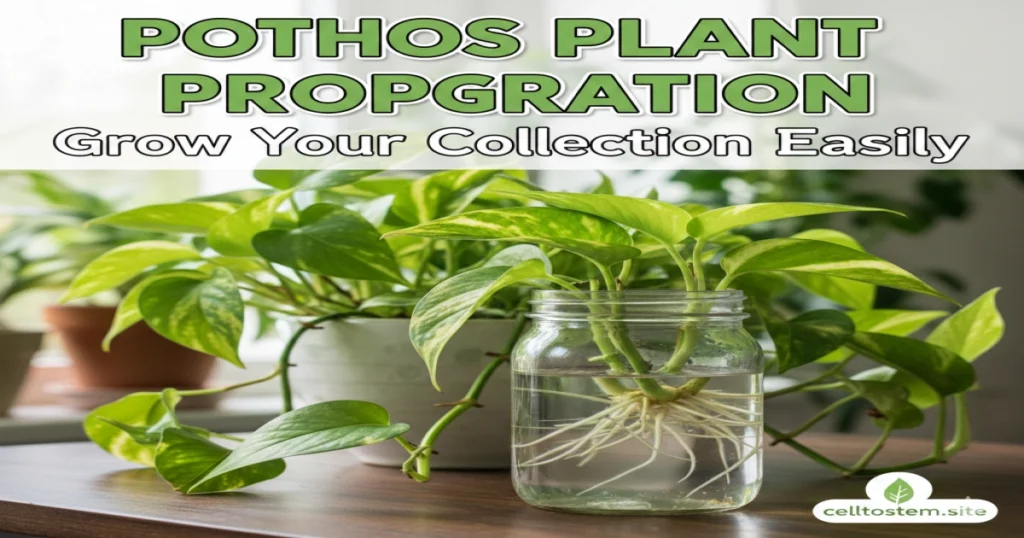
Do you admire the lush, trailing vines of a Pothos plant and dream of filling your home with more of its vibrant foliage? You’re in luck! Propagating your houseplants is a sustainable and rewarding way to expand your indoor jungle without spending….Read More
Have you ever looked at a struggling Monstera and felt a pang of “plant parent guilt”? Or perhaps you’ve stared at a tray of tiny cuttings, wondering if they’ll ever actually take root?
At Cell to Stem, we believe that every leaf tells a story. From the microscopic cellular level of a new node to the towering stems of an indoor jungle, we are here to bridge the gap between “I hope this lives” and “I know exactly what this plant needs.” Whether you are a seasoned urban gardener or a first-time succulent owner, your journey from cell to stem starts right here.
Mastering the Art of Propagation
There is nothing more magical than watching a single leaf transform into a brand-new plant. It’s essentially a botanical superpower. In our Propagation Techniques section, we peel back the curtain on the science and soul of plant reproduction. We cover:
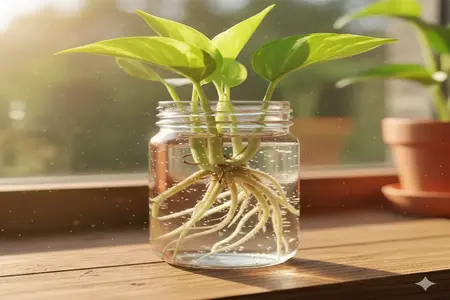
- Water Propagation: The easiest way to watch roots grow in real-time.
- Soil Layering: For those stubborn woody stems.
- Division: Because sometimes, one plant really should be three.
Your Pets and Your Plants: A Harmonious Home
We shouldn’t have to choose between our furry friends and our leafy ones. However, many common houseplants—like Lilies and Sago Palms—can be dangerous for curious cats and dogs. Our Pet-Friendly Plants guide is dedicated to helping you build a lush environment that is 100% safe for your four-legged roommates. From Calatheas to Spider Plants, we’ll show you how to keep your home green and your pets wagging.
The Blueprint for Growth: Plant Care Guides
If plants came with an instruction manual, they’d be a lot less intimidating. Consider our Plant Care Guides your personalized manual for every species in your collection. We deep-dive into the “Big Three”:
- Lighting: Understanding the difference between “bright indirect” and “low light.”
- Hydration: The “finger test” vs. moisture meters.
- Nutrition: When to feed, what to use, and why less is often more.
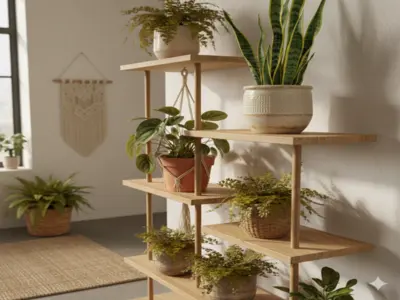
Aesthetic Greenery: Plant Styling & Resources
A plant is more than just a biological specimen; it’s a piece of living art. In Plant Styling & Resources, we explore how to integrate greenery into your interior design. We discuss pot selection, hanging displays, and how to use plants to create “zones” in your living space. We also provide curated lists of our favorite tools, soil mixes, and local nursery reviews to save you the guesswork.
The Plant Doctor: Troubleshooting Pests & Problems
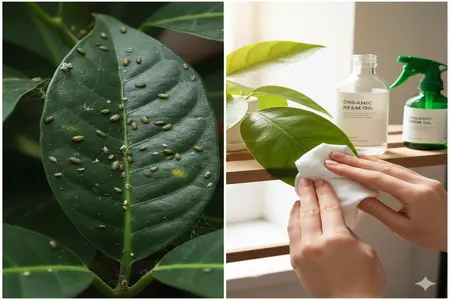
Even the best plant parents face the dreaded yellow leaf or the sudden appearance of fungus gnats. When things go sideways, don’t panic. Our Troubleshooting Pests & Problems section is your first line of defense. We offer organic solutions for spider mites, mealybugs, and the ultimate plant killer: overwatering. We don’t just tell you what’s wrong; we tell you how to fix it and prevent it from happening again.
Frequently Asked Questions (FAQ)
1. What is the easiest plant for a beginner to start with?
The Snake Plant (Sansevieria) or the ZZ Plant are nearly indestructible. They handle low light and missed waterings with grace, making them perfect “confidence builders” for new plant parents.
2. How do I know when to repot my plant?
Look for “root bound” signs: roots growing out of the drainage holes, water sitting on top of the soil, or the plant looking top-heavy. Generally, most plants enjoy a fresh pot every 12-18 months.
3. Are all succulents pet-friendly?
No. While many (like Haworthia and Echeveria) are safe, others (like Aloe Vera or Jade plants) can cause stomach upset in pets. Always check our Pet-Friendly category before buying!
4. Why are the tips of my leaves turning brown?
This is usually a humidity or water quality issue. Many tropical plants are sensitive to the chlorine in tap water or the dry air from heaters. Try using filtered water or a humidifier!
5. Can I propagate a plant in the winter?
Yes, but it takes longer. Plants grow slower in the dormant season. For best results, use a heat mat or wait until the surge of energy that comes with Spring.